Operating fluids
The key characteristics of a car – comfort and safety – are only achievable provided that all of the car’s components and units function properly. It is difficult to overestimate the importance of the brake system, the cooling system of a vehicle’s major unit – the engine, as well as the windshield cleaning system. Their proper functioning is guaranteed through the use of respective operating fluids, and it is on the quality of these fluids that the service life and efficiency of a car’s systems depend. In the end, all of this determines the most important thing about the operation of vehicles – road safety. At KHIMIK, we therefore place special emphasis on consumer properties, parameters, and quality of our operating fluids, which can be categorized into the following groups:
- Windshield washer fluids
- Concentrated windshield washer fluids
Windshield washer fluids
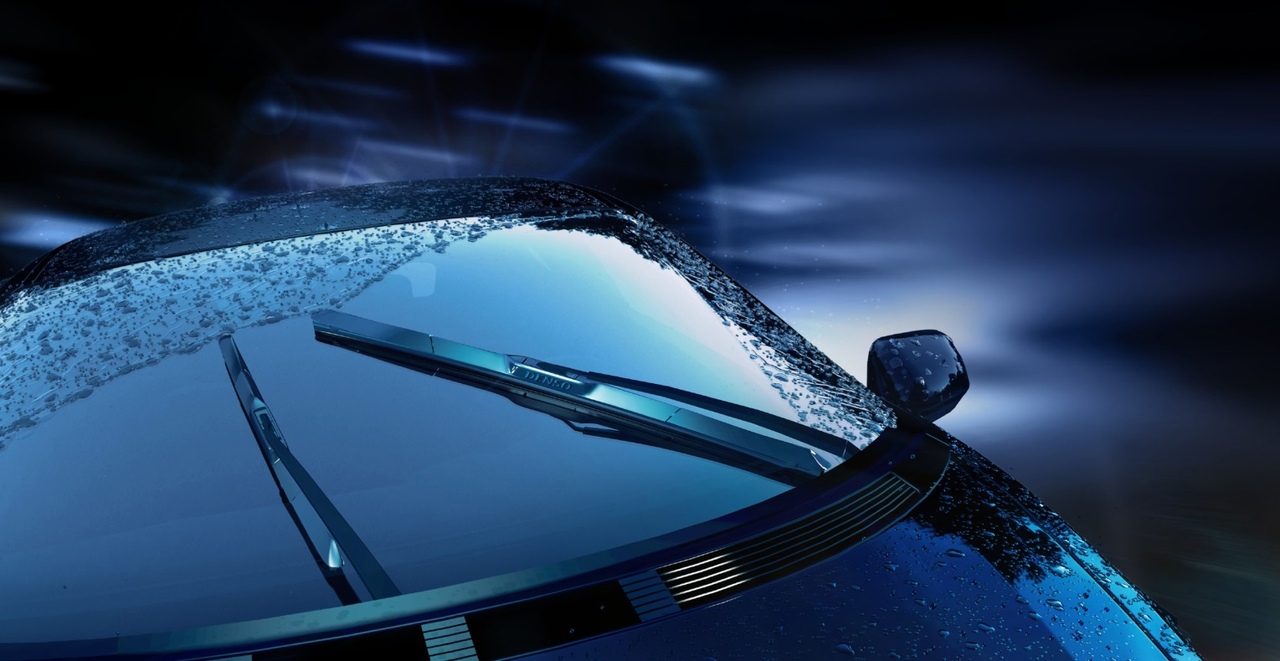
Alcohol is the main ingredient in windshield washer fluid. Alcohol prevents fluid from freezing in winter and helps it cope with organic dirt on the windshield. It is utterly important to check that isopropyl or ethyl alcohol is used. These are the only alcohols permitted by the law, whereas methyl alcohol is prohibited, since it is a nerve agent. Since the production of ethyl-based products is subject to stringent state control, nonfreezing liquids are usually produced with isopropyl alcohol. It, however, has one disadvantage, which is odor nuisance. So another important ingredient in windshield washer fluid is a fragrance, which is capable of disguising the odor of alcohol but, unfortunately, cannot fully remove it.
The absence of odor, however, is not attributable to a fragrance alone. Manufacturing technology, the right choice and combination of ingredients are all essential for the production of a good windshield cleaner. KHIMIK, therefore, pays great attention to the development, creation, and testing of products within this category.
Here is the specification for windshield washer fluids produced by KHIMIK.
- Windshield washer fluids are intended for cleaning windshields of a vehicle with the use of a washer.
- When stored and transported at temperatures below their freezing point, windshield washer fluids can freeze and fully recover all their properties when defrosted.
- Windshield washer fluid is an aqueous solution of alcohol with active admixtures and dye.
- Windshield washer fluids shall meet the Unified Sanitary Requirements of the Customs Union, and the requirements of GOST R 51696 and Specification 2384-097-00205357-2008.
The physical and chemical quality indicators of windshield washer fluids shall match the requirements and standards in the table below. Note: Standards marked with * apply to a concentrate diluted with distilled water at a ratio of 1:3.
Concentrated windshield washer fluids
The specification for windshield washer fluid concentrates produced by KHIMIK.
- Windshield washer fluid concentrate is intended for cleaning windshields and headlamps of a vehicle with the use of a washer.
- Windshield washer fluid concentrate is an aqueous solution of isopropyl alcohol with active admixtures and dye.
- Windshield washer fluid concentrates shall meet the Unified Sanitary Requirements of the Customs Union, and the requirements of GOST R 51696 and Specification 2384-052-54804491-2007. The quality indicators shall match the standards in the table below.
Coolants
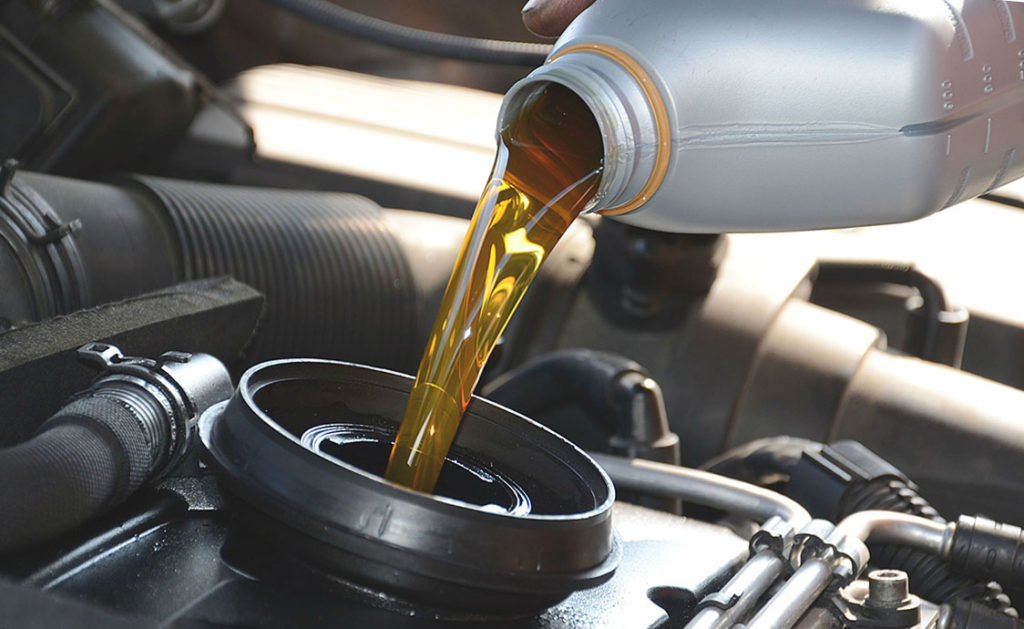
Modern cars are obviously equipped with many standalone systems that support and ensure the safe operation of a vehicle. Each of the systems requires timely and quality service, where the change of the main operating fluid is a must-do. The cooling system is one of the main systems of a car since it belongs to its main unit and its heart – the engine – whose functioning determines the mobility of a vehicle.
KHIMIK specializes in producing high-grade coolants for all available types of engines.
Solvents and thinners
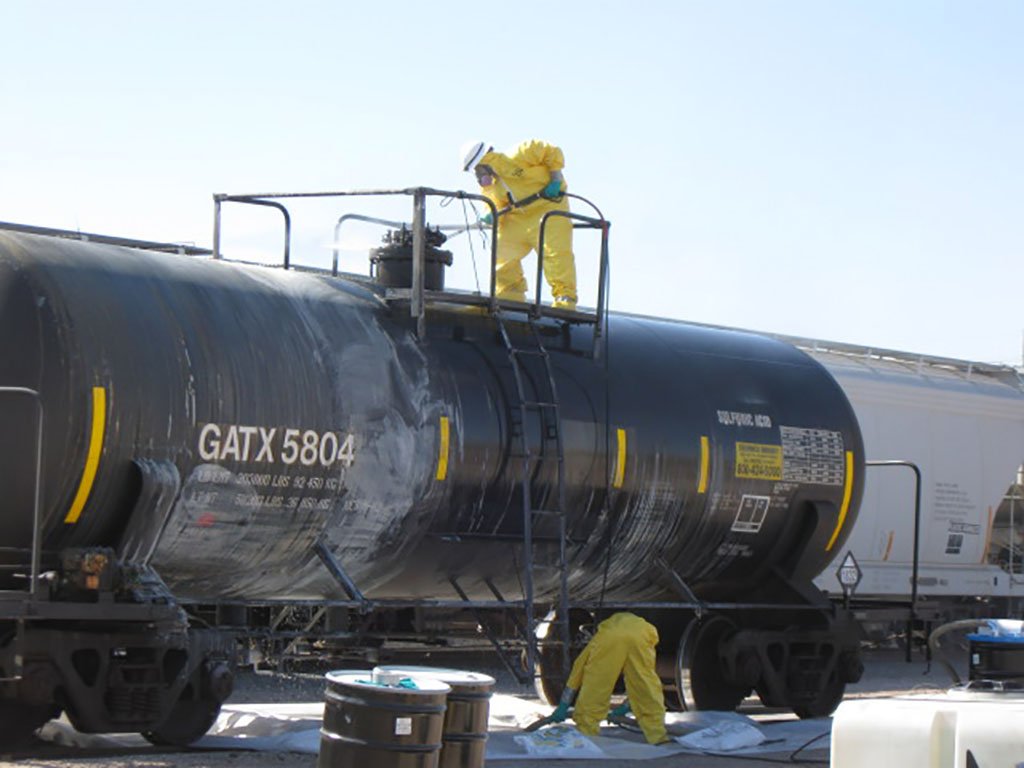
Among other focuses of activity, the company develops and produces various solvents and thinners for industry, transport, and construction applications. The products produced by the company in this field can be categorized into the following groups:
Solvents (active solvents) – liquids that completely solve film forming substance and evaporate in the drying process. Paint solvents are compounds of different chemical nature such as aromatic, aliphatic hydrocarbons and their mixtures, simple and compound ethers, ketones, alcohols, halogenated hydrocarbons, etc.
Thinners (co-solvents) are liquids that do not solve film forming substance by themselves but, when mixed with true solvent, are capable of reducing the viscosity of a solution or imparting some special properties. A thinner to solvent ratio has to be thoroughly selected in order to obtain the best properties of paint and the optimal quality of a finished coating.
Solvent composition can also affect the stability of pigmented paints. Solvent must not displace dispersant or sorbed polymer molecules from the surface of pigments and fillers so as not to cause settling or coagulation of the pigment portion.
Both solvents and thinners must be completely removed from the coating in the course of drying after a specified period of time. Since various components in solvent mixtures are of different volatility, it is important to ensure that the most active solvents of the mixture have the worst volatility (the last to remain). Otherwise, polymer will prematurely coagulate as it becomes less soluble in the drying process, resulting in a friable coating with poor protective properties. Moreover, the escape of remaining co-solvents will be hampered.
The volatility of solvents used must be suitable for application and drying conditions. When applied by spraying (especially air spraying), small particles of paint lose some solvent on their way to the surface being painted. If losses are excessive, paint particles will become too viscous, and the coating will not be uniform.
Multiple surface defects can occur when solvents evaporate from the coating too fast. In a thick coating, the fast formation of a surface film will cause buckling (as it happens in case of intensive air exchange or draught). The fast evaporation without a surface film being formed will cause shagreen. This is due to the fact that evaporating solvent captures coating material as it goes up from within the coating. While material enriched with solvent goes up in some areas, depleted material goes down in other areas, and the increasing viscosity does not allow the coating to even out. Moreover, the fast evaporation of solvent can result in the paint surface cooling down, moisture in air condensing on the surface, and the surface layer becoming saturated with water. For nitrocellulose coatings, this can cause the blushing of the surface film.
Defects of a coating do not merely worsen its appearance but also significantly impair its protective properties due to thickness loss in the defect area, porosity, etc.
KHIMIK solvents:
Solvent 646
Solvent 646 is used to thin general-purpose nitrocellulose lacquer enamels, nitrocellulose lacquers, and nitrocellulose putties. Solvent 646 is made to GOST 18188-72.
Solvent 647
Solvent 647 is used to thin nitrocellulose lacquer enamels and nitrocellulose lacquers for passenger cars. Solvent 647 is made to GOST 18188-72.
Solvent 649
Solvent 649 is used to thin NTs-132K GOST 6631 nitrocellulose lacquer enamels until working viscosity is reached. Solvent 649 is made to Specification 2319-082-00205357-2007.
Solvent 650
Solvent 650 is used to thin nitrocellulose lacquer enamels and coatings until working viscosity is reached for touching up small areas. Solvent 650 is made to Specification 2319-083-00205357-2007.
Solvent R-4
Solvent R-4 is used to thin paints based on chlorinated polyvinylchloride resins (PSKh LS and PSKh LN), polyvinylchloride copolymers, epoxy resins, and other film-forming substances (except gray and protective enamel KhV-124). Solvents R-4 are made to GOST 7827-74.
Solvent R-12
Solvent R-12 is used to thin paints based on chlorinated polyvinylchloride resins (PSKh LN, PSKh LS), polyacrylic resins, and other film-forming substances. Solvent R-12 is made to GOST 7827-74.
Solvent RITAN-41
Solvent RITAN-41 is used to clean painting equipment after applying urethane and epoxy urethane enamels. Solvent RITAN-41 is made to Specification 2319-126-00205357-2011.
Solvent TREPP-R-1
Solvent TREPP-R-1 is used to thin epoxy and epoxy phenol enamels, and to clean painting equipment. Solvent TREPP-R-1 is made to Specification 2319-126-00205357-2011.
Solvent TREPP-R-2
Solvent TREPP-R-2 is used to thin epoxy and epoxy phenol enamels, and to clean painting equipment. Solvent TREPP-R-2 is made to Specification 2319-126-00205357-2011.
Solvent TREPP-R-3
Solvent TREPP-R-3 is used to thin epoxy and epoxy phenol enamels, and to clean painting equipment. Solvent TREPP-R-3 is made to Specification 2319-126-00205357-2011.
KHIMIK thinners:
Acrylic thinner
Acrylic thinner is a mixture of organic solvents and is used to thin all two-component acrylic paints, automotive base enamels with or without metallic or nacre effect, whether domestic or foreign, until organic viscosity is reached. It ensures high quality of a resulting coating and is also used to clean painting tools after working with acrylic materials. It is made to Specification 2319-112-00205357-2010.
KHIMIK degreasers and cleaning solutions:
Silicone Remover
Silicone Remover is used to remove contamination that occurs during the use of a car such as silicone, wax, bitumen, petroleum, small dirt particles, as well as to clean surfaces treated with primers and fillers before painting. Silicone Remover is a mixture of organic solvents. It is made to Specification 2384-152-00205357-2013.
Degreaser
Degreaser is a mixture of oil solvents and is used to prepare and degrease surfaces before painting, wash parts and equipment, and also remove preservative coatings. It is made to Specification 2319-101-00205357-2009.
Solvent RITAN-41
Solvent RITAN-41 is used to clean painting equipment after applying urethane and epoxy urethane enamels. Solvent RITAN-41 is made to Specification 2319-126-00205357-2011.
KHIMIK rust converters:
Rust Converter & Primer With Zinc
Rust Converter & Primer With Zinc is used to treat metal/steel surfaces in order to remove/convert instances of corrosion/rust and to protect treated surfaces from further atmospheric and climatic impact, as well as to form a primer coat for good adhesion with any paints. No further water wash, removal or priming is required. Rust converter & primer with zinc is an aqueous solution of orthophosphoric acid with modifying additives. It is made to Specification 2389-117-00205357-2010.
KHIMIK Cleaner:
Cleaner AS-1
Cleaner AS-1 is a mixture of active solvents, emulsifier, expander, and corrosion inhibitor, and is made to Specification 2319-020-00205357-2001 and intended to remove old vinyl, pentaphtalic, glyphtal, urethane, and epoxy binder paints.
Wood protection
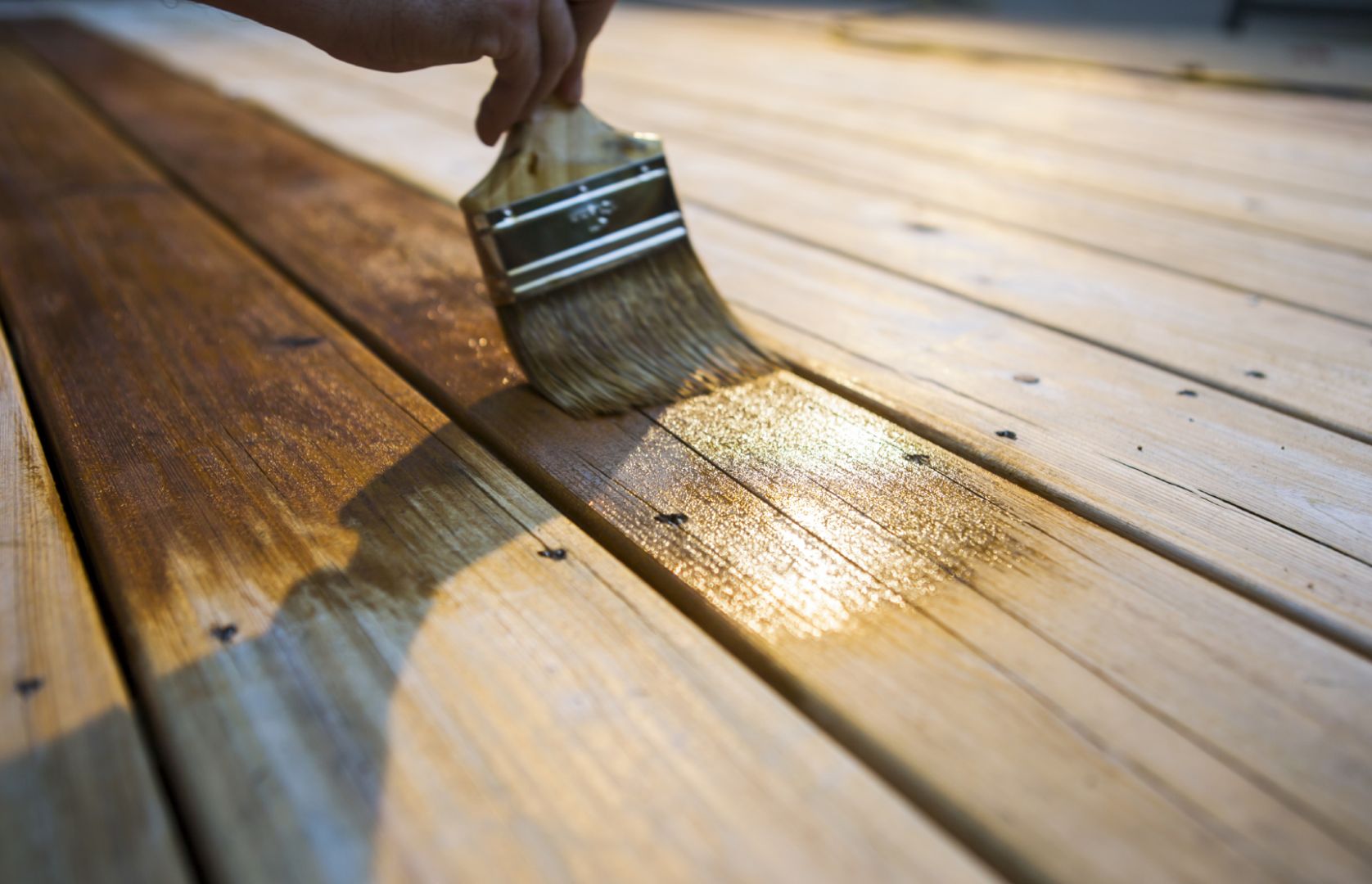
Wood, as a natural construction material, has many advantages: low cost, considerable strength, ease of processing and high thermal and acoustic insulation properties. However, with all these advantages, wood is exposed to moisture, temperature and ultraviolet radiation, making it one of the most short-lived materials and limiting its use in construction.
Various types of paintwork materials are used to preserve this unique building material.
Each of the materials has its own field of application and is designed to solve specific tasks that face the builder:
- protective and decorative coatings (compositions) form a protective film, which, unlike paint, does not hide the structure of wood and allows wood to “breathe” (which significantly slows down rotting processes); at the same time, they are finishing;
- bio-based fire-retardent treatments serve to protect wood from fire; the fire protection is generally understood as the reduction of flammability and fire hazard of various materials (finishing and facing, structural, etc.) and products (decorations, doors, partitions, roof structures, etc.) based on wood.
Protective decorative coatings

Protective and decorative coatings (compositions) appeared on the paintwork market not so long ago – about 50 years ago, and have been actively used in the last decade.
KHIMIK has been engaged in producing protective and decorative compositions for more than 10 years, and the alkyd-resin products are now being the main direction of production. Protective and decorative compositions are similar to ordinary paints in that they are solutions of film-forming substances in organic solvents or water with pigments and fillers.
The principal differences between the protective and decorative compositions and ordinary paints are as follows:
- presence or absence of a moisture permeable film, which significantly reduces wood rotting;
- introduction of fungicides into the formulation; depending on the composition type, fungicides either prevent subsequent infestation or control existing infestation;
- significantly less cracking of the painted surface, as on average the thickness of the paint layer is 5 times greater than the thickness of the layer of protective and decorative composition.
The second difference of the market segment of the protective and decorative compositions is the lack of a unified terminology in the market. One and the same product can be called both protective and decorative composition, antiseptic and treatment. We have adopted the following system of definitions for ourselves:
- Protective and decorative compositions are binder compositions with two functions: protective and decorative.
- Protective compositions (treatments) are aqueous solutions of fungicides and/or insecticides intended only for protection against bio-damage and insects.
These products are manufactured under the KRONA brand name.
Alkyd compositions were the first to be invented in this market, and they are most often used for painting outer surfaces. And there is a rational basis for this – the molecules of alkyd compositions are smaller than the acrylic ones in size, and therefore they penetrate deeper into the wood and are less susceptible to abrasion compared to acrylic products. There is also cross-linking of layers in the process of drying alkyd products (layers are joined at the level of molecules), and as a result a solid film is formed.
Acrylic compositions are solutions of polymers in water with pigments and fillers. The products are odorless and therefore their market share is constantly growing as more and more consumers are replacing alkyd products with acrylic ones. The film of acrylic compositions is less durable compared to alkyd products, as there is not a chemical cross-linking process, but physical adhesion of one layer to another, but at the same time the resulting characteristics are sufficient for effective work of the product indoors. The principal difference between protective and decorative compositions and treatments is the concentration of fungicide in the formulations. The protective and decorative compositions have a sufficient amount of fungicides for subsequent protection against bio-damage. At the same time, increased concentration of fungicides is introduced in treatments in comparison with protective and decorative compositions. This concentration is sufficient not only for further protection against bio-damage, but also for the control of existing ones. Treatments were invented to reduce the cost of work on concealed structures where the decorative function is not important.
All treatments are divided into 3 large groups:
- mitigating bio-damage
- mitigating insect infestation
- preventing wood from ignition
All fire retarders can be categorized by the type of medium that forms in the wood after treatment. If alkaline salts are used (the most common option in the market), an alkaline medium with pH > 8 is formed in the wood, and this medium slowly destroys the wood lignin, if acid salts are used, the weak acid medium is formed in the wood, which is very close to neutral (pH about 5), that has no effect on wood destruction. Alkali affects wood in the following way – it penetrates into the wood surface layers (2–3 mm) and fixes in it. In case the wooden surface is moistened again, the alkali will penetrate even deeper into the wood, as water performs transport functions in the wood structure. During numerous “wetting-drying” cycles, alkalis can penetrate into the wood to a depth of about 5 cm, destroying the wood structure, the lignin that binds the cellulose cells together at the micro level and provides the material strength. The wood fibers irretrievably lose their bond between each other, the material becomes loose, porous like a sponge, absorbing moisture and thus even more susceptible to bio-damage.
The protective and decorative compositions produced by KHIMIK include:
- TONOTEX
- AQUALAC
- AQUALAC Parquet
- AQUALAC Sauna
- Yacht Varnish
TONOTEX
TONOTEX is used in residential, civil and industrial construction. This product gives high aesthetic and performance properties for the wood items. It is intended for interior and exterior painting of wooden surfaces in order to provide protective action against biological damage, atmospheric effects, as well as for decorative finishing. It provides the wood with water repellent properties, makes wooden surfaces resistant to rain, snow and sun. TONOTEX is a solution of alkyd resins and pigment suspension in organic solvents with the addition of modifying and other useful additives. It conforms to the Unified Sanitary Requirements of the Customs Union, requirements of GOST 30495, Specification 2388-013-00205357-98. According to the physical and chemical parameters TONOTEX quality corresponds to the requirements and norms specified in the table.
AQUALAC
AQUALAC is intended for protective and decorative treatment of walls, doors, ceilings, windows and other wooden surfaces indoors and outdoors. Not recommended for parquet varnishing It protects against burning and discoloration of wood under the influence of UV rays. The water-repellent effect provides protection against dampness and temperature fluctuations. It gives a soft silky-matte shine to the painted surface. AQUALAC withstands short-term fivefold freezing without changing its properties. It is an aqueous solution of acrylic emulsion with the addition of pigments (or without them) and target additives. It conforms to the Unified Sanitary Requirements of the Customs Union, requirements of Specification 2313-103-00205357-2009. In terms of the physical and chemical parameters, the AQUALAC quality complies with the requirements and norms specified in the table.
AQUALAC Parquet
AQUALAC Parquet is used inside buildings for parquet and plank floors, stairs, railings and other wooden surfaces exposed to heavy wear. It forms a clear, semi-glossy, hard and abrasion resistant coating. It has a self-leveling effect, does not leave streaks and visible transitions between layers. The lacquer withstands repeated washing with water, as well as with household detergents. It contains no organic solvents, almost odorless. It withstands five-fold freezing and thawing without changing properties. The lacquer is an aqueous solution of acrylic emulsion and functional additives. AQUALAC Parquet complies with the Unified Sanitary Requirements of the Customs Union, the requirements of Specification 2313-104-00205357-2009. According to the physical and chemical parameters AQUALAC Parquet meets the requirements and standards specified in the table.
AQUALAC Sauna
AQUALAC Sauna is designed to protect the walls and ceilings of saunas and baths from moisture, high temperatures, dirt, and rot. It should not be used to protect the shelf. AQUALAC Sauna is well absorbed into wood, forms a translucent water- and dirt-resistant coating, reveals the structure of wood, protects wood from rotting, withstands heating up to 120 °C. It is an aqueous solution of acrylic emulsion with the addition of technological (functional) additives. AQUALAC Sauna protective and decorative composition meets the Unified Sanitary Requirements of the Customs Union, the requirements of GOST 30495, Specification 2313-137-00205357-2011. According to the physical and chemical parameters the AQUALAC Sauna quality complies with the requirements and standards specified in the table.
Yacht Varnish
Yacht Varnish is used for treatment of wooden hulls of yachts, boats, crafts. The varnish has high resistance to water, including salt water, is resistant to abrasion, the varnish film is very elastic, resistant to UV radiation. Yacht Varnish is also used in domestic conditions for painting wooden structures exposed to the atmosphere: stairs, walls, window frames, parquet of all kinds (including a mosaic one). It can be used for moisture-protective and decorative treatment of garden furniture and other wooden objects. Yacht Varnish forms a colorless, glossy, dense, waterproof coating. It preserves and emphasizes the natural structure of wood. It is a solution of alkyd-urethane resin in the solvent with the addition of functional additives. It conforms to the Unified Sanitary Requirements of the Customs Union, requirements of GOST 30495, Specification 2313-138-00205357-2011. In terms of the physical and chemical parameters the Yacht Varnish quality complies with the requirements and standards specified in the table.
Bio fire-retardent treatment
KRONA bio fire-retardent treatment is designed for complex fire and bioprotection of wood of residential and industrial buildings and structures, as well as other wooden constructions. It protects against fire, flame spread, rot, mold, blueing indoors and outdoors (under a canopy) in conditions of hygroscopic and condensation moisture without contact with the ground, exposure to precipitation, soil moisture. KRONA bio fire-retardent treatment provides Group II of fire protection according to the methods of determining fire protection efficiency according to NPB 251-98 and GOST R 53292-2009. It can be stored and transported frozen, fully restores its properties after thawing and mixing. The composition is an aqueous solution of fungicidal and functional additives and meets the Unified Sanitary Requirements of the Customs Union, the requirements of Federal Law No. 123-FZ “Technical Regulations on Fire Safety Requirements” of July 22, 2008, the requirements of GOST 30495, GOST R 53292, Specification 2499-130-00205357-2011. According to the physical and chemical parameters, the quality of KRONA bio fire-retardent treatment complies with the requirements and standards specified in the table.
Oil & Gas
- Internal smooth (antifriction) pipe coatings
- Pipeline corrosion protection
- Paintwork materials for tanks with oil products
- Materials for auxiliary operations
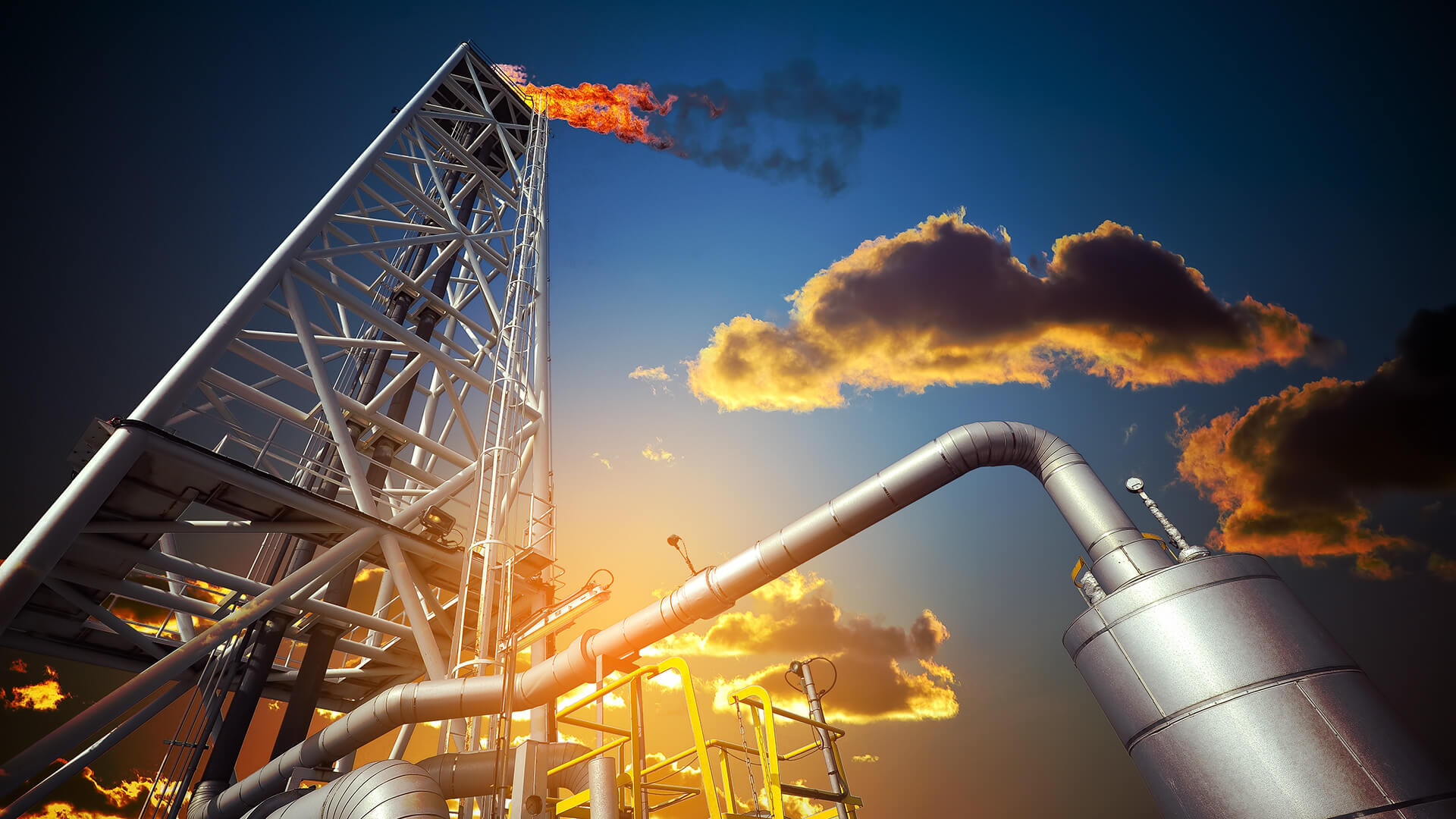
One of the priority areas of the company's activity is creation of materials for anticorrosion protection of oil-and-gas production equipment: pipelines, shaped elements, shut-off valves, vessels for oil products storage, metal structures of various applications.
The complexity of the task is specified by the high corrosiveness of the environment in which the equipment is operated. Crude oil and the formation water emulsified in it contain dissolved salts, carbon dioxide and hydrogen sulphide. The most dangerous is the hydrogen-sulphide corrosion, which even corrosion-resistant grades of steel cannot resist. Additional negative factors reduce the service life of pipelines, including: periodic and constant mechanical loads, higher temperature, high abrasivity of environment, hardness deposition and asphaltene-resin-paraffin deposits (ARPD), and the use of various chemical reagents for pipe cleaning. The tubing and in-field pipelines are operated under the most severe conditions.
The multifactorial nature of the task and considerable differences in the composition of the corrosive medium in different fields complicate the creation of the paintwork material which provides reliable corrosion protection. When creating materials that can withstand the corrosive medium for a long period, we take into account the complete range of conditions effecting the coating service life. It includes the operating conditions of a coating such as the chemical composition of the medium, temperature and pressure, mechanical stress, and climatic conditions at a given location. Coating conditions: methods and quality of surface preparation, used equipment, modes of application and curing, as well as methods of transportation and storage conditions of finished products.
Developed materials are thoroughly tested for compliance with the requirements of regulatory documentation. The whole range of tests is carried out: physical and chemical, climatic, confirming the compliance of the declared properties of the material and coating with the actual ones. Tests are carried out during the development process using the in-house equipment, and then in industry institutes that authorize the use of materials by specific customers.
The used technologies enable to adapt a number of technological characteristics, such as rheological properties, curing time, to the process equipment of coating plants.
When developing paintwork materials for industrial use, we strived to minimize labor costs during their application. For this purpose the paintwork materials have been developed which allow to apply the coating of required thickness in a single layer. Rheological properties of these materials allow to obtain coatings up to 800 µm thick on vertical surfaces, and high anti-corrosion properties, chemical resistance and excellent adhesion provide long service life and performance characteristics of the coating.
1.1. Pipeline corrosion protection
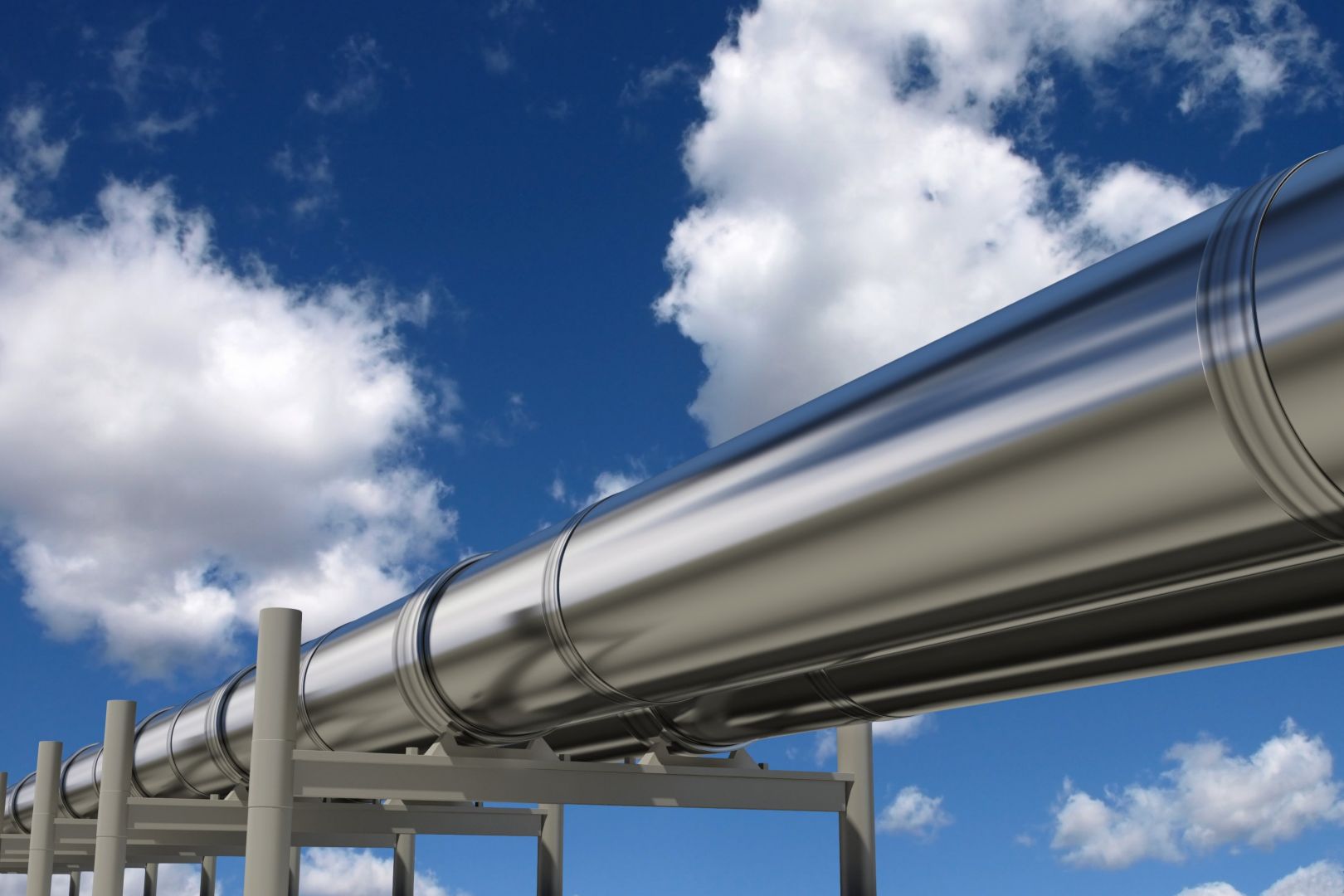
One of the main reasons for high accident rate of in-field oil pipelines is corrosion caused by the joint action of corrosive medium and mechanical loads. Corrosion damage causes up to 30% of pipeline failures. In this regard, it becomes impossible to ensure safe operation of the pipeline systems and increase their service life without addressing the issues of corrosion protection of the outer and inner surfaces of pipes and welded joints.
One of the methods of the pipeline corrosion protection is insulation of metal surface against the corrosive medium by polymer coatings, including the paint ones. The applied paintwork materials should be very resistant to the pumped medium at temperatures and pressures of pipeline operation, and technologically simple when applied and transported. As a rule, two-component thixotropic materials are used, enabling to get a coating of the required thickness in one pass.
Materials for corrosion protection of pipeline transport:
- Pipeline corrosion protection. Outer surface
- Pipeline corrosion protection. Inner surface
Pipelines: Inner surface
Two-component enamels TREPP-TR, TREPP-TR-90
Designed for anticorrosion protection of the inner surface of steel pipes transporting oil, water-oil-gas mixtures, oil products, sea and industrial water, cold and hot. The enamels are resistant to cathodic disbondment and can therefore be applied together with cathodic protection for pipelines, and are also highly abrasion-resistant. TREPP-TR-90 enamel can be used at temperatures up to 90 °C, has a permit for contact with drinking water. TREPP-TR enamel can be used at temperatures up to 60 °C. It is recommended for internal anticorrosion coating of tubing. The service life of the coatings reaches 10 years.
Powder coating primer TREPP-GP-2
This is an epoxyphenol primer designed to form an adhesive layer on metal prior to applying powder coatings onto the internal surface of pipelines. It improves the anticorrosive properties and adhesion of a surface.
These are used for the internal protection of main gas pipelines. The materials create an antifriction (smooth) layer that reduces the gas dynamic impedance of the gas pipeline and energy expenditure for gas pumping. They also provide corrosion protection in the time between the fabrication and installation of a pipeline. The TREPP-TRG-1 enamel contains no solvents at all, and the TREPP-TRG-2 enamel has a low solvent content.
Pipelines: Outer surface
Two-component polyurethane enamel Ritan-531
Used for external corrosion protection of undersurface pipelines, fittings, and stop valves. Fast-curing. Rheological characteristics allow it to be applied onto vertical surfaces, with a coat of up to 3 mm. The coating has high anticorrosive properties, resistance to water and cathodic polarization, adhesion and impact strength, and also high tensile strength.
One-component hot-curing primer TREPP-GO-1
It is designed to improve adhesion and enhance the protective properties of external polymer coating of pipelines. It is used in industrial lines of extrusion applying of a protective coating which consists of an ethylene vinyl acetate copolymer layer and a polyethylene layer, wherein it is the first layer before the copolymer layer. It is applied immediately before extruding the protective polymer coating.
Epoxy one-pack enamel TREPP-GO-2
No solvents. The main purpose is anticorrosive wear-resistant coating of driven piles, protection of the outer surface of pipelines before applying polyurethane foam insulation.
1.2. Paintwork materials for tanks with oil products
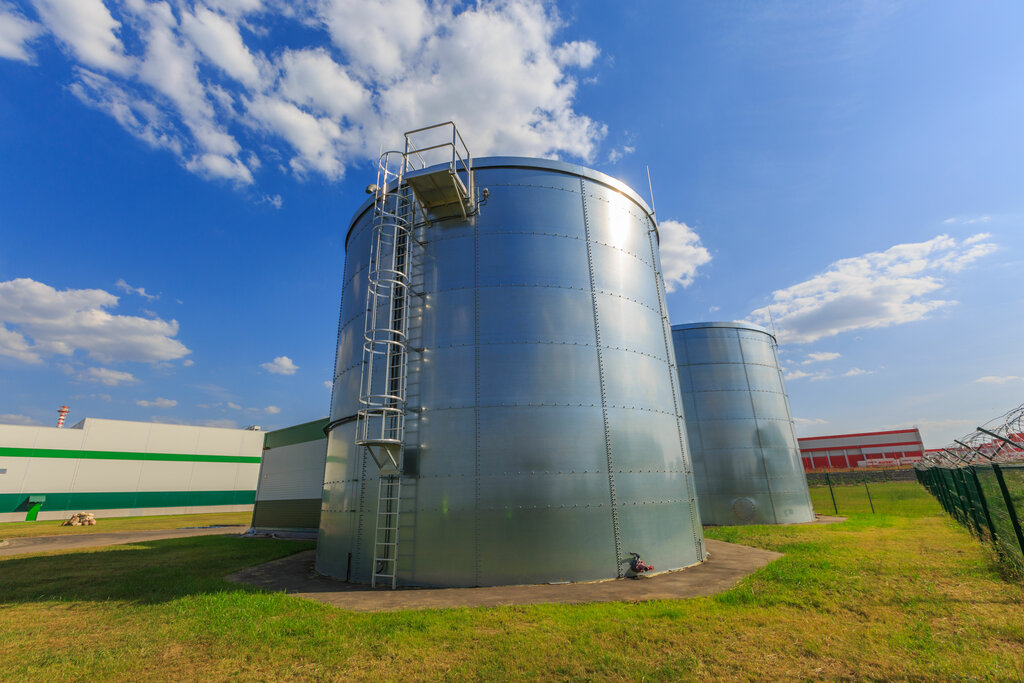
External and internal coating systems have been developed for corrosion protection of tanks for storage of oil products and crude oil containing formation water, hydrogen sulphide and water-soluble salts. Internal coatings are highly resistant to oil products, highly corrosive components of crude oil, synthetic detergents and water vapor used in tank sediment cleaning. High physical-mechanical properties and adhesion of coatings prevent their integrity violation in case of deformation of tank walls and bottom under the hydrostatic pressure and alternating temperature loads.
For corrosion protection of metal structures and external surface of tanks a two-layer coating RITAN has been developed, consisting of one layer of primer enamel TREPP-RV-726N and one layer of enamel RITAN-755.
The first coating layer performs anti-corrosion functions with high barrier properties and a long-lasting passivation effect. The second one, a finish layer of the coating, protects from insolation, humidity, precipitation. The coating can be used in climatic regions according to GOST 16350: I1 (very cold), I2 (cold), II4 (moderately cold) for different atmospheric corrosiveness categories C5-M, C4, C3 (ISO 12944-2 and ISO 9223). The service life of coatings is up to 20 years.
Epoxy two-component primer enamel TREPP-RV-726N
It is applied as the first layer using airless spraying installation. It contains no more than 20% of solvents. Simply mix a quantity of enamel components required for an hour of work prior to use. It provides the coating system with high anti-corrosion and physical-mechanical properties. Recommended layer thickness of TREPP-RV-726N primer enamel depends on the operating conditions and the required service life of the coating.
Finish two-component polyurethane enamel RITAN-755
It is applied by airless spraying installations with preliminary mixing of components. The second layer is in the coating system. Simply mix a quantity of enamel components required for an hour of work prior to use. The enamel is highly UV resistant, glossy and semi-glossy, with reduced dirt retention. It comes in a variety of colors. It contains no more than 35% of solvents. It is applied with a layer thickness of 80–100 µm.
The coating systems based on primer enamel TREPP-RV-726N and enamel RITAN-755, except for painting of steel tanks, are designed for corrosion protection of metal structures, outer surfaces of pipelines and equipment operating in atmospheric conditions.
Tank farm: Inner surface
TREPP-RV-726
Two-component epoxy enamel with low solvent content, amine-type hardener. It is designed for corrosion protection of the inner surface of steel tanks for storage of light and dark oil products, water, oil, condensate, washing fluid, ballast tanks and pipes transporting oil and oil-gas mixtures. It withstands periodic exposure to detergents at 75 °C and water vapor at 100 °C. Operating temperature is from minus 60 °C to plus 90 °C. It is used as a primer layer in the coating system with RITAN-755 enamel during operation in the ambient atmosphere, can be used as an independent coating during operation indoors, underground and in thermal insulation systems for metal corrosion protection.
Surface preparation – abrasive blast cleaning to Sa 2½ degree. The surface roughness (Rz) after cleaning should be between 40 and 80 µm. When equipped with winter hardener, the application temperature can be reduced to minus 10 °C, but the drying time of enamel to degree 3 will increase from 9 hours at 20 °C to 7 days. The application method is airless spraying. Recommended equipment: single-component units capable of providing pressure 120–150 bar.
Two-component epoxy enamels TREPP-RV-726N, TREPP-RV-726SV
These enamels have a high non-volatile content (min. 80%). They are intended to protect the inner surface of tanks. TREPP-RV-726N enamel for anticorrosive coatings of tanks for oil and dark oil products storage. TREPP-RV-726SV enamel for anticorrosive coatings of tanks for storage of light oil products, prevents the formation of static electrical discharges on the inner surface of the tank. They are very durable and can be applied by means of airless spray systems with premixed components. Simply mix a quantity of enamel components required for an hour of work prior to use.
Tank farm: Outer surface
RITAN-755
It is applied by airless spraying installations with preliminary mixing of components. The second layer is in the coating system. Simply mix a quantity of enamel components required for an hour of work prior to use. The enamel is highly UV resistant, glossy and semi-glossy, with reduced dirt retention. It comes in a variety of colors. It contains no more than 35% of solvents. It is applied with a layer thickness of 80–100 µm.
For corrosion protection of metal structures and external surface of tanks a two-layer coating RITAN has been developed, consisting of one layer of primer enamel TREPP-RV-726N and one layer of enamel RITAN-755. The first coating layer performs anti-corrosion functions with high barrier properties and a long-lasting passivation effect. The second one, a finish layer of the coating, protects from insolation, humidity, precipitation. The coating can be used in climatic regions according to GOST 16350: I1 (very cold), I2 (cold), II4 (moderately cold) for different atmospheric corrosiveness categories C5-M, C4, C3 (ISO 12944-2 and ISO 9223). The service life of coatings is up to 20 years.
The coating systems based on primer enamel TREPP-RV-726N and enamel RITAN-755, except for painting of steel tanks, are designed for corrosion protection of metal structures, outer surfaces of pipelines and equipment operating in atmospheric conditions.
Epoxy two-component primer enamel TREPP-RV-726N
It is applied as the first layer using airless spraying installation. It contains no more than 20% of solvents. Simply mix a quantity of enamel components required for an hour of work prior to use. It provides the coating system with high anti-corrosion and physical-mechanical properties. Recommended layer thickness of TREPP-RV-726N primer enamel depends on the operating conditions and the required service life of the coating.
1.4. Materials for auxiliary operations
G-039 (winter)
Used to seal protection sleeves installed in pipes at the welded seam area. Can be used for connecting pipes using the cone-socket method. Two-pack, epoxy-based, with good adhesion to pure metal and epoxy coatings. Produced in summer and winter versions. The winter version of the sealant has a high curing rate at negative air temperatures.
RITAN-41
RITAN-41 solvent is intended for cleaning of paint equipment after application of urethane and epoxyurethane enamels. RITAN-41 solvent is produced according to Specification 2319-126-00205357-2011.
TREPP-KP
Based on trivalent chromium salts, contains no hexavalent chromium salts. Low-toxic. It is intended for treatment of pipe surfaces after shot blasting for two- and three-layer external coating. Creates a dense insoluble chromate film on the steel surface, which increases the anticorrosive properties of the coating system, adhesion strength and resistance to cathodic disbonding. The compound is applied evenly to the pipe surface heated to a temperature of 40–60 °C by any method. After drying to the degree of “dry to the touch”, the treated surface is heated to 130–230 °C until the color changes from pale blue to yellow-golden.
TREPP-OR
Effective agent for removal of oil and fat impurities, residues of process fluids used in the manufacture of pipes, to reduce the content of soluble salts on the metal surface, removal of mechanical impurities. Low consumption and negligible foaming. Application of the agent, in accordance with the technology, does not affect the adhesion of paintwork materials.
TREPP-R-1
TREPP-R-1 solvent is intended for dilution of epoxy and epoxyphenol enamels and cleaning of paint equipment. TREPP-R-1 solvent is produced according to Specification 2319-126-00205357-2011.
TREPP-R-2
TREPP-R-2 solvent is intended for dilution of epoxy and epoxyphenol enamels and cleaning of paint equipment. TREPP-R-2 solvent is produced as per Specification 2319-126-00205357-2011.
TREPP-R-3
TREPP-R-3 solvent is intended for dilution of epoxy and epoxyphenol enamels and cleaning of paint equipment. TREPP-R-3 solvent is produced as per Specification 2319-126-00205357-2011.
Metal protection
Development of corrosion protection materials is one of the core activities at KHIMIK. The company has developed and applied to production various anticorrosive materials to protect infrastructure facilities, metal structures for various purposes and building materials.
- Corrosion protection
- Paints & Varnishes
- Epoxy materials
When creating these materials, which are able to resist the action of corrosive medium for a long time, the whole complex of conditions affecting the service life of the coating is taken into account. It includes the operating conditions of a coating such as the chemical composition of the medium, temperature and pressure, mechanical stress, and climatic conditions at a given location. Application conditions: surface preparation methods and quality, coating application equipment, hardening and storage conditions, and mode of transportation.
Corrosion protection
PROFLEX one-component quick-drying primer enamel
It does not require thorough surface preparation. Can be applied to metal surfaces covered with tightly adhering rust, with a layer thickness of up to 100 µm. It is applied in 1–3 layers. It forms a semi-gloss coating. It is intended for corrosion protection of metal structures and equipment operating in atmospheric conditions. The service life of the three-layer coating is 6 years. Can be used as a primer when overcoating with KhV, KhS, PF enamels.
RITAN-755 finish two-component polyurethane enamel
It is applied by airless spraying installations with preliminary mixing of components. The second layer is in the coating system. Simply mix a quantity of enamel components required for an hour of work prior to use. The enamel is highly UV resistant, glossy and semi-glossy, with reduced dirt retention. It comes in a variety of colors. It contains no more than 35% of solvents. It is applied with a layer thickness of 80–100 µm.
Epoxy two-component primer enamel TREPP-RV-726N
It is applied as the first layer using airless spraying installation. It contains no more than 20% of solvents. Simply mix a quantity of enamel components required for an hour of work prior to use. It provides the coating system with high anti-corrosion and physical-mechanical properties. Recommended layer thickness of TREPP-RV-726N primer enamel depends on the operating conditions and the required service life of the coating.
Paints & Varnishes
PROFLEX one-component, quick-drying primer enamel
It does not require thorough surface preparation. Can be applied to metal surfaces covered with tightly adhering rust, with a layer thickness of up to 100 µm. It is applied in 1–3 layers. It forms a semi-gloss coating. It is intended for corrosion protection of metal structures and equipment operating in atmospheric conditions. The service life of the three-layer coating is 6 years. Can be used as a primer when overcoating with KhV, KhS, PF enamels.
RITAN-755 two-component finish enamel
It is applied by airless spraying installations with preliminary mixing of components. The second layer is in the coating system. Simply mix a quantity of enamel components required for an hour of work prior to use. The enamel is highly UV resistant, glossy and semi-glossy, with reduced dirt retention. It comes in a variety of colors. It contains no more than 35% of solvents. It is applied with a layer thickness of 80–100 µm.
Epoxy materials
Epoxy two-component primer enamel TREPP-RV-726N
It is applied as the first layer using airless spraying installation. It contains no more than 20% of solvents. Simply mix a quantity of enamel components required for an hour of work prior to use. It provides the coating system with high anti-corrosion and physical-mechanical properties. Recommended layer thickness of TREPP-RV-726N primer enamel depends on the operating conditions and the required service life of the coating.
Metal corrosion protection
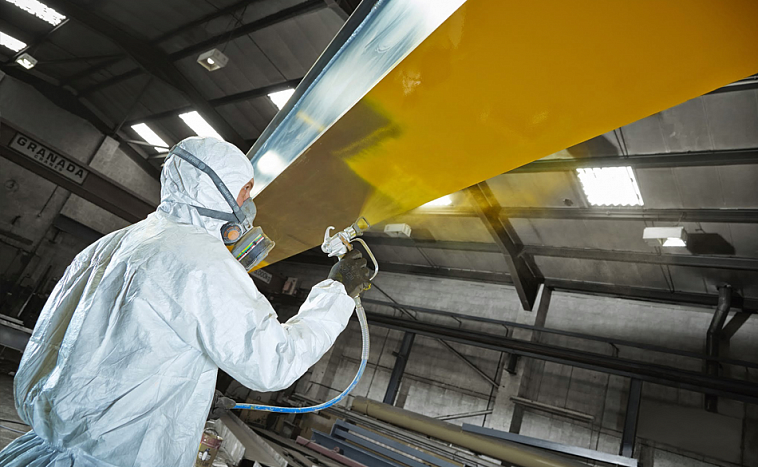
Development of corrosion protection materials is one of the core activities at KHIMIK. The company has developed and introduced various anticorrosive materials to protect vehicles and machines in harsh climatic conditions, and also to protect metal structures used in transport infrastructure.
- Anticorrosive protective coatings
- Rust converters
When developing these materials, which are capable of withstanding long-time exposure to a corrosive medium, the whole mix of conditions affecting the life of coatings is considered. It includes the operating conditions of a coating such as the chemical composition of the medium, temperature and pressure, mechanical stress, and climatic conditions at a given location. Application conditions: surface preparation methods and quality, coating application equipment, hardening and storage conditions, and mode of transportation.
Solvents, diluents

One of the company's activities is development and production of various solvents and dilutants used in industry, transportation and construction. The products of this direction produced at the enterprise can be conventionally divided into the following groups:
- Solvents. Solvents are the liquids that completely dissolve the film-forming agent and evaporate during the drying process. Compounds of various chemical nature such as aromatic, aliphatic hydrocarbons and their mixtures, simple and compound ethers, ketones, alcohols, halogen derivatives of hydrocarbons, etc., are used as solvents for paintwork materials.
- Diluents (cosolvents) are liquids that by themselves do not dissolve the film-forming agent, but when mixed with a true solvent can reduce the viscosity of the solution or give it any special properties.
Selection of the diluent/solvent ratio is necessary to obtain best properties of the paintwork material and quality of the finished coating. The solvent composition can also affect the stability of pigmented paintwork materials. The solvent should not displace dispersants or sorbed polymer molecules from the surface of pigments and fillers so as not to cause settling or coagulation of the pigment portion. During the drying process, both solvents and diluents should be completely removed from the coating within the required time. Considering the fact that different components of the blended solvents have different volatilities, it is important that the worst volatility is that of the most active solvents in the blend (they should remain the last). Otherwise, the coating will coagulate prematurely during the drying process due to the decreased solubility of the polymer, resulting in a loose coating with poor protective properties. In addition, it will be difficult for the cosolvent residues to escape.
The volatility of the solvents used should be suitable for the coating application and drying conditions. When applied by spraying methods (especially pneumatic), fine paint particles lose part of the solvent on their way to the surface to be painted. If the losses are excessive, the paintwork particles will become too viscous and a continuous coating will not be obtained.
Too rapid evaporation of solvents from the coating can lead to a variety of surface defects. If the coating thickness is large, rapid formation of the surface film will lead to wrinkling (it often occurs in case of intensive air exchange or drafts). Rapid evaporation without the formation of a surface film will result in shagreening. It is related to the fact that the evaporating solvent, as it rises from the depth of the coating, takes the coating material with it. In some areas the solvent-rich material rises to the top, while depleted material falls to the bottom in other areas, and viscosity build-up prevents the coating from leveling out. In addition, rapid evaporation of the solvent can lead to cooling of the paintwork material surface, condensation of air moisture on the surface and saturation of the surface layer with water. This leads to whitening of the coating film for nitrocellulose paintwork materials. Defects in the paintwork do not just deteriorate its appearance, they significantly reduce its protective properties due to reduction of the coating thickness in the area of defects, pore formation, etc.
Basic petroleum solvents
Acetone
Ultra-strong, broad-spectrum solvent. It is intended for dissolving and diluting varnishes, paints, enamels; cleaning and degreasing of surfaces. Can be used in paintwork materials applied at negative air temperatures. Acetone is used as a solvent in various industries. Produced as per GOST 2768-84.
Kerosene
TS-1 Kerosene is used for dissolving and diluting alkyd and oil paints and varnishes, for washing parts and mechanisms, as well as in household and lighting appliances as fuel. Produced as per GOST 10227-86.
White Spirit
White Spirit is intended for diluting and dissolving varnishes, oil paints, enamels and other paintwork materials. It removes grease and oil dirt from surfaces, can be used for cleaning tools. Used in the production of drying oils and other industries. Produced as per GOST 3134-78.
Degreasers and cleaning solvents
Antisilicone
Antisilicone cleaner is designed to clean impurities occurred during car operation: silicone, wax, bitumen, gasoline, small fractions of dirt, as well as cleaning surfaces treated with primers and fillers before painting. Antisilicone cleaner is a mixture of organic solvents. Produced as per Specification 2384-152-00205357-2013
RITAN-41 solvent
RITAN-41 solvent is intended for cleaning of paint equipment after application of urethane and epoxyurethane enamels. RITAN-41 solvent is produced according to Specification 2319-126-00205357-2011.
Degreaser
Degreaser is a mixture of petroleum solvents, and is intended for preparation and degreasing of surfaces for painting, for washing of parts and equipment, as well as removal of preservative coatings. Produced as per Specification 2319-101-00205357-2009.
Rust converters
Rust converters with zinc
Rust to Primer Converter with Zinc is designed for treatment of metal (steel) surfaces in order to remove (transform) corrosion damage (rust) and protect treated surfaces from subsequent weather and climatic influences, as well as forming a primer layer that provides strong adhesion to any paintwork materials. Does not require subsequent rinsing with water, neutralization and priming. Rust to primer converter with zinc is an aqueous solution of orthophosphoric acid with modifying additives. Produced as per Specification 2389-117-00205357-2010.
Diluents
Acrylic solvent
Acrylic Dilutant is a mixture of organic solvents, and is designed to dilute to working viscosity of all 2K (two-component) acrylic paintwork materials, base automotive enamels with the “metallic” and “pearlescent” effect or without such, of domestic and foreign production. It provides high quality of the resulting coating, and cleans the paint tool after working with acrylic materials as well. Produced as per Specification 2319-112-00205357-2010.
Solvents
646
Solvent of 646 grade is intended for dilution of nitro enamels, nitro varnishes and nitro putties of general purpose. Solvent 646 is produced as per GOST 18188-2020.
647
Solvent of 647 grade is intended for dilution of nitro enamels and nitro varnishes for passenger cars. Solvents 647 are produced as per GOST 18188-2020.
650
Solvent of 650 grade is intended for dilution of nitrocellulose enamels and coatings to working viscosity when painting small areas. Solvent 650 is produced as per Specification 2319-083-00205357-2007.
R-4
R-4 solvent is intended for dilution of paintwork materials based on polyvinylchloride chlorinated resins PSKh LS and PSKh LN, vinyl chloride copolymers, epoxy resins and other film-forming substances (except for grey and protective KhV-124 enamel). R-4 solvents are produced as per GOST 7827-74.
R-12
R-12 solvent is intended for dilution of paintwork materials based on PSKh LN, PSKh LS, polyacrylic resins and other film-forming substances. R-12 solvent is produced as per GOST 7827-74.
RITAN-41
RITAN-41 solvent is intended for cleaning of paint equipment after application of urethane and epoxyurethane enamels. RITAN-41 solvent is produced according to Specification 2319-126-00205357-2011.
TREPP-R-1
TREPP-R-1 solvent is intended for dilution of epoxy and epoxyphenol enamels and cleaning of paint equipment. TREPP-R-1 solvent is produced according to Specification 2319-126-00205357-2011.
TREPP-R-2
TREPP-R-2 solvent is intended for dilution of epoxy and epoxyphenol enamels and cleaning of paint equipment. TREPP-R-2 solvent is produced as per Specification 2319-126-00205357-2011.
TREPP-R-3
TREPP-R-3 solvent is intended for dilution of epoxy and epoxyphenol enamels and cleaning of paint equipment. TREPP-R-3 solvent is produced as per Specification 2319-126-00205357-2011.
Paint removers
AS-1 Coating Remover
"AS-1 Coating Remover" is a mixture of active solvents, emulsifier, opener and corrosion inhibitor, produced according to Specification 2319-020-00205357-2001 and designed to remove old paint coatings based on vinyl, pentaphthalic, glyphthalic, urethane and epoxy binders.
Support infrastructure facilities
The coating system consisting of one primer layer with thickness of 120 µm and one enamel layer with thickness of 80 microns is designed for service life not less than 10 years in conditions of atmosphere corrosive aggressiveness C4. The materials can be applied at temperatures down to minus 20 °C and are highly weather resistant.
PROFLEX-306
PROFLEX-306 one-component alkyd primer is designed for corrosion protection of metal structures made of carbon, galvanized and stainless steel during operation under ambient atmospheric conditions. Quick drying, can be applied at ambient air temperature down to minus 20 °C, oil-and-petrol resistant. It is intended, among other things, for painting metal structures in plant conditions. After full polymerization it can be overlapped with alkyd, acrylic, polyurethane and other paintwork materials.
PROFLEX-256
One-component finishing enamel for anticorrosive coating systems of metal structures. Coating on its basis has high resistance to solar radiation and other weather factors in a wide range of atmospheric aggressiveness and in various climatic zones. Retains gloss and color throughout use. Quick drying, can be applied at ambient air temperature down to minus 20 °C, oil-and-petrol resistant.
PROFLEX-201
Two-component epoxy primer designed for long-term corrosion protection of metal structures in various climatic conditions. It is used as a primer layer in the coating system with finishing enamels based on acryl and acrylic-urethane on the surfaces made of carbon, galvanized and stainless steel.